Moving to Greenville, SC: An Honest Neighborhood Guide (2026 Prices, Commutes, and Trade-Offs)
A grounded, area-by-area look at where to live in and around Greenville, SC, with 2026 median prices, commute times, and honest trade-offs for each neighborhood.
The gap between the cheapest and the most expensive place to live in the Greenville area is enormous. A median home in Greenville County sold for about $368,000 over the three months ending May 2026, according to Redfin, while the median in the Augusta Road area sat closer to $830,000 to $912,000, per local brokerage data. Those two numbers are twenty minutes apart by car. When people ask me where to move in Greenville, what they are really asking is which trade-off they want to make, because every neighborhood here trades price, commute, and housing type against each other in a different way.
I am a licensed South Carolina agent who grew up around this market, and I will not pretend every part of it is wonderful. Below is an honest read on the city and the ring of towns around it, with current prices and real commute times. Prices move, so I have dated them.
What "moving to Greenville" actually means
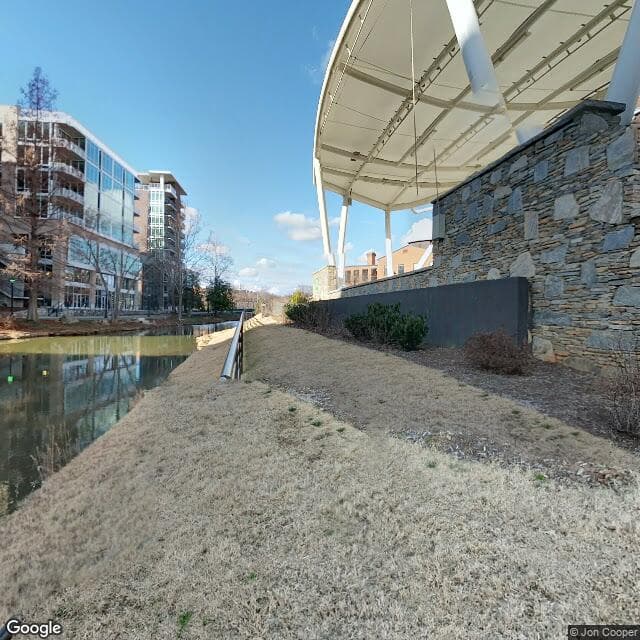
Greenville is a mid-sized city with a walkable downtown built around Falls Park on the Reedy and a long Main Street, wrapped by a ring of smaller municipalities and unincorporated county. The city itself is only part of the picture. Most people who say they are moving to Greenville end up in Greer, Simpsonville, Mauldin, Travelers Rest, or the Five Forks area, because that is where the newer and more affordable housing stock sits.
One number to anchor everything else. Zillow put the typical Greenville home value near $327,592 as of spring 2026, while Redfin's median sale price for the city proper ran higher, around $475,000 over the three months ending April 2026. The difference is mostly about which homes are counted. Closer to downtown, prices climb fast. You can estimate a monthly payment for any of these price points with the mortgage calculator before you fall in love with a listing. If you are still working out your ceiling, I walked through the income it takes to carry a median Greenville home in how much house you can afford here.
North Main: walkable, close in, and priced for it
North Main sits just north of downtown along North Main Street, a neighborhood of 1920s-to-1950s bungalows and cottages with mature trees and the Swamp Rabbit Trail running through it. You can walk or bike to downtown restaurants in a few minutes. That access is the whole appeal, and it is priced accordingly. Homes.com reported a twelve-month median sale price around $462,800 for North Main, with single-family homes closer to $495,900 as of mid-2026. Redfin's monthly figure has swung as high as $710,000 on a small number of sales, which tells you the inventory is thin and the numbers are volatile. The trade-off is real. You pay a premium and you accept older houses that often need work.
Augusta Road: the prestige address
The Augusta Road area, south of downtown, is the most expensive part of the city. Local brokerage data put the median single-family price around $830,000, with an area average near $944,726 and roughly $395 per square foot in 2026. Housing runs from 1920s brick homes to large newer builds, and the neighborhood is walkable to well-known restaurants. The honest note is simple. This is a small, high-priced market where homes sell in about a month, so bargains are rare.
West End and downtown: condos, not yards
If you want to live inside the walkable core without maintaining a lawn, the West End and downtown are condo and townhome territory next to Falls Park and Fluor Field. Homes.com listed West End one-bedroom condos at a median around $560,000 and two-bedrooms near $910,000 in 2026, and downtown condo listings carried a median around $570,000. You are paying for location and low maintenance, not square footage. Parking and HOA fees are the trade-offs people underestimate here.
Greer: the middle of the metro, and the airport
Greer sits between Greenville and Spartanburg, near the GSP airport and the BMW plant. Homes there sold for a median of about $379,900 in April 2026, per Redfin. Housing stock skews newer than the close-in city neighborhoods, with a mix of established homes and subdivisions. The commute to downtown Greenville runs roughly 20 to 35 minutes depending on where you land and traffic. The trade-off is distance from downtown in exchange for newer construction and proximity to the region's biggest employers.
Thinking of making a move?
Let me know if you’re thinking about selling, or if you’re looking to buy!
Get in touchSimpsonville and Five Forks: newer homes, top-rated schools by the numbers
Simpsonville, southeast of the city along I-385, listed at a median around $414,000 in June 2026, per Zillow. Much of the housing is post-2000 subdivision construction with more square footage and larger lots than you find close in. The commute to downtown is about 20 minutes outside of rush hour, though I-385 backs up in the morning peak. Within Simpsonville, the Five Forks area listed near $410,000 as of May 2026 and is anchored by schools that rate highly in state data, including Oakview Elementary, Hillcrest Middle, and Mauldin High. Families who prioritize published school ratings and yard space tend to end up here, and they accept the highway commute as the cost.
Mauldin: the value option in between
Mauldin sits directly between Greenville and Simpsonville along I-385, which makes it one of the shorter suburban commutes to downtown, often under 20 minutes off-peak. It generally prices below both the city and Five Forks, with a housing mix of established ranch homes and newer townhomes. I would call its price level approximate rather than quote a precise median, because it moves with a small number of sales, but it consistently runs below the county's pricier suburbs. The trade-off is that Mauldin has less of a distinct downtown draw than Travelers Rest or Greer, though the city has been building one out.
Travelers Rest: the mountains, and fast-rising prices
Travelers Rest, nine miles north of downtown at the foot of the Blue Ridge, has become one of the hottest submarkets in the area. Redfin reported a median around $523,000 over the three months ending May 2026, up a striking 22.8% year over year. The town anchors the north end of the Swamp Rabbit Trail and has a walkable Main Street. The honest read is that you are buying into fast price growth and a limited supply of homes, and the commute, while short at roughly 15 to 20 minutes, funnels down a single main corridor.
Don't forget property taxes
South Carolina taxes an owner-occupied primary residence at a 4% assessment ratio, which is far lower than the 6% rate applied to second homes and rentals. Greenville County's effective residential rate is low, often quoted near 0.48% to 0.7% of value depending on your tax district. The catch that surprises new buyers is that your tax defaults to the 6% rate when you buy, and you must apply for the 4% legal residence rate, generally by January 15 of the year after you close, to get the lower bill. That is a paperwork step, not an automatic benefit. Taxes are only one line in the monthly bill, and I broke the whole payment apart in what it costs to own a Greenville home each month.
So where should you look?
If you want walkability and you can afford it, look at North Main, the West End, or Augusta Road. If you want newer construction, more space, and strong school-rating data, look at Simpsonville, Five Forks, or Greer, and budget for a highway commute. If you want a shorter drive at a lower price, Mauldin is the value middle. If you want the mountains and don't mind rising prices, Travelers Rest is the north-side play. None of these is the "right" choice in the abstract. It depends entirely on which trade-off fits your life.
If you are coming from another state, the tax and price differences deserve their own look, and I ran those numbers in what Greenville costs an out-of-state buyer. For the wider household budget beyond the mortgage, there is the full cost of living breakdown.
Reading about a neighborhood only gets you so far, and the trade-offs land differently once they are your trade-offs. Are you looking to buy in one of these areas, or are you thinking about selling? Tell me what matters most, whether that is price, commute, schools by the numbers, or housing type, and I will help.
Sources: Redfin Greenville market, Redfin Greenville County, Redfin Travelers Rest, Zillow Greenville, Zillow Simpsonville, Homes.com North Main, Greenville County property tax FAQ. Information only, not financial, legal, or investment advice. Figures are current as of 2026 and change over time.
Thinking of making a move?
Let me know if you’re thinking about selling, or if you’re looking to buy!
Get in touchGet the next one in your inbox.
I write honest guides to buying, selling, and living in Greenville, South Carolina, grounded in real local data. Subscribe and I will send the next one straight to your inbox.
Prefer Substack? Subscribe there instead.