Cost of Living in Greenville, SC: Real 2026 Numbers on Housing, Taxes, and Utilities
What it actually costs to live in Greenville, SC in 2026, with sourced numbers on home prices, rent, property taxes, utilities, and how it compares to Charlotte, Asheville, and Charleston.
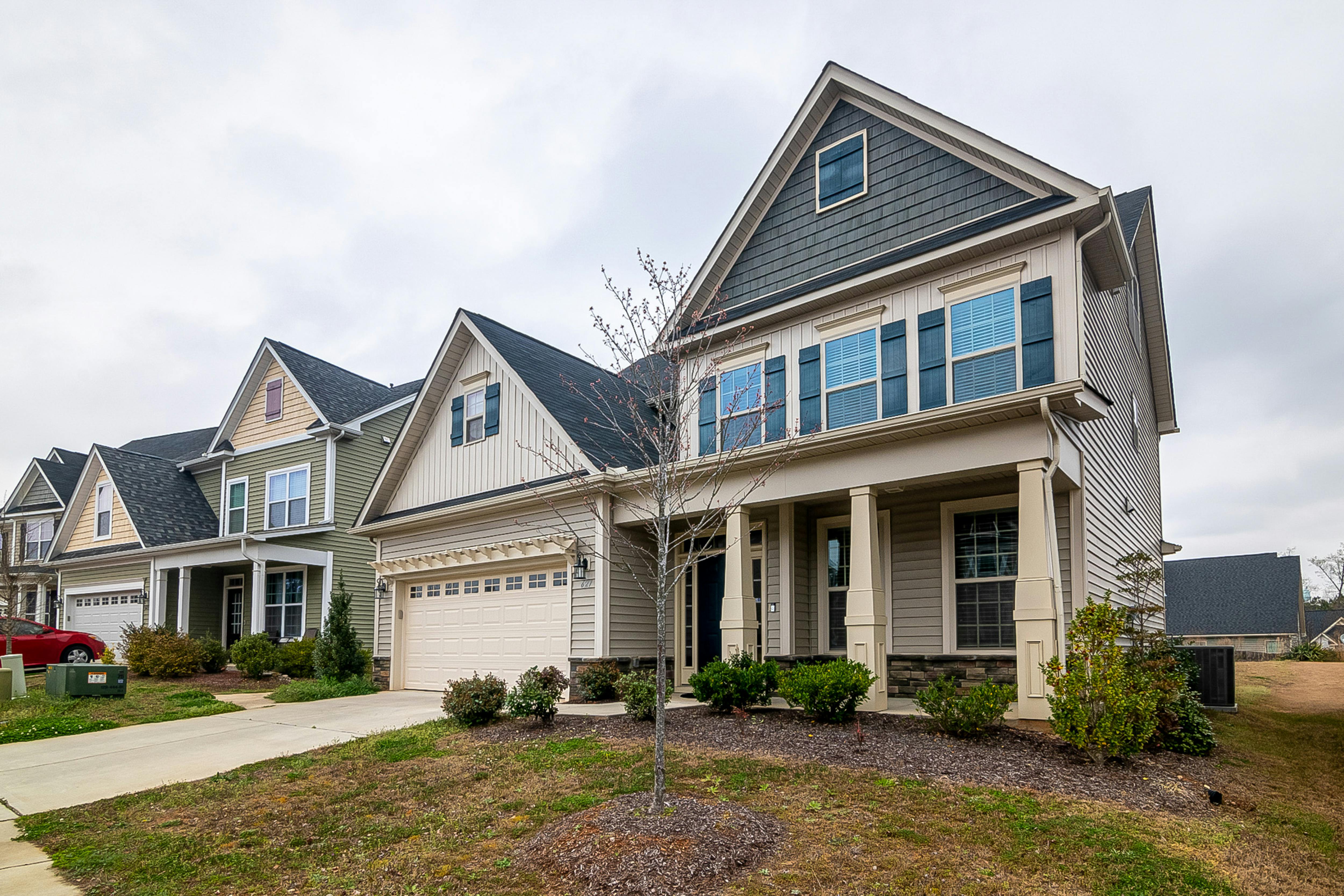
A household in Greenville County earns a median of about $76,900 a year, and the typical renter pays $1,262 a month in gross rent, both from the Census Bureau's 2024 American Community Survey. Those two numbers frame the whole cost-of-living question in Greenville, because housing is the line item that decides whether a place feels affordable or not. The rest of the budget, the power bill and the groceries and the tax on your car, moves far less than the mortgage does.
What is the cost of living in Greenville, SC?
The cost of living in Greenville, SC runs roughly 10 percent below the national average as of 2026, and the savings come mostly from housing, utilities, and taxes rather than from cheaper groceries or gas. A single person spends somewhere around $2,300 to $2,400 a month before rent, and a family of four spends more than twice that. Compared with the coastal and big-metro Southeast, Greenville is one of the more affordable places to land, though it is no longer the bargain it was a decade ago. Prices here have climbed faster than incomes since 2020, and that gap is the honest catch underneath the "affordable" label.
Housing is the number that moves everything
Here is where the sources openly disagree, and it is worth seeing why. Redfin put the median sale price for Greenville County near $368,000 over the three months ending mid-2026, while Zillow's home-value index for the city of Greenville read closer to $331,000 as of May 2026. Neither is wrong. Redfin measures what sold, Zillow estimates the value of the whole housing stock, and the county pulls in higher-priced areas that the city line leaves out. Treat the real number as a range from the low $330,000s to the high $360,000s, and expect the city core to price above the county as a whole.
The longer trend is steadier than any single median. The Federal Housing Finance Agency's price index for the Greenville-Anderson metro area rose about 3.7 percent year over year into early 2026 and is up roughly 63 percent over five years. That five-year figure is the one relocating buyers feel most, because it is the reason a house that felt cheap to a friend who moved in 2019 does not feel cheap now.
Rent gives you the other half of the picture. The county median gross rent of $1,262 covers a mix of older and newer stock, so a newer two-bedroom apartment near downtown or Verdae will ask more, often $1,600 and up, while an older unit farther out runs less. If you are weighing a purchase, the mortgage and affordability calculator will turn a given price and rate into a real monthly payment, and the companion guide on how much house you can afford in Greenville walks the same math step by step.
Property taxes are lower than the sticker suggests
South Carolina taxes an owner-occupied primary residence at a 4 percent assessment ratio, which simply means the county figures your tax on 4 percent of the home's value rather than on the full value. A second home or a rental is assessed at 6 percent, so the same house costs meaningfully more to hold if it is not your legal residence. The practical result is a low effective rate. Median owner-occupied property tax in Greenville County works out to about 0.6 to 0.75 percent of market value per year, below the national median near 1 percent. On a $360,000 home that difference is real money every year.
The offsetting cost most newcomers miss is the vehicle. South Carolina charges an annual property tax on cars, so budget for a bill on each vehicle you register here. It softens the housing-tax advantage a little, and it surprises people who move from states that do not tax cars this way.
State income tax is a graduated tax that tops out in the low-to-mid 6 percent range and starts at zero on the first slice of income, and the legislature has been steadily cutting the top rate. The exact bracket you land in changes with reform, so confirm the current schedule with the South Carolina Department of Revenue rather than trusting a stale table.
Utilities, groceries, and the day-to-day
Power is one of Greenville's quieter advantages. South Carolina's residential electricity rate sits below the national average, and a typical 1,000 kilowatt-hour month on Duke Energy Carolinas runs in the neighborhood of $150 as of 2026, higher in the July and August air-conditioning stretch. Overall utilities in Greenville cost roughly 12 percent less than the national average. Groceries and gas, by contrast, track close to the national number, so they neither help nor hurt the budget much. The savings you feel here are housing and utilities and taxes, not the checkout line.
Greenville vs. Charlotte, Asheville, and Charleston
The clearest way to judge Greenville's cost of living is against the places relocating buyers usually weigh it against. Charleston's median sale price ran near $640,000 over the three months ending May 2026, and Asheville's near $507,000, both well above Greenville. Charlotte is closer on housing, but its day-to-day costs and its home prices both run higher than Greenville's. Against that field Greenville reads as the affordable option in the room, which is a large part of why it keeps drawing people from all three.
The trade-off is honest and worth naming. Greenville does not have Charleston's coast or Asheville's mountains at the doorstep, and its growth has brought real congestion on corridors like Woodruff Road and Interstate 385. You are trading some of that scenery and some of that traffic-free ease for a lower price, and whether that trade is worth it is the one question only you can answer.
What Greenville costs you, and what it doesn't
The place is genuinely cheaper than most of the growing Southeast, and the reasons are structural rather than cosmetic. Low property-tax rates on a primary home, cheap power, and a housing stock that is still priced below the coast do most of the work. The catch is trajectory. Prices have climbed faster than local pay since 2020, so the affordability you read about is real today and thinner each year, and the car tax and August power bills take a bite the headline numbers skip. Read it with clear eyes and Greenville still comes out ahead of its neighbors, which is the whole point.
If you are moving to or within Greenville and want the on-the-ground read, I am happy to connect you with a vetted local agent at no cost to you. You can tell me what you are looking for on the find-a-pro page, and if you would rather keep reading first, the out-of-state moving guide and the rest of the Greenville real-estate guides go deeper on taxes, commutes, and neighborhoods.
*Sources: Census ACS via FRED, Greenville County median household income; Census ACS median gross rent; FHFA/FRED Greenville-Anderson MSA house price index; Redfin Greenville County market data; Zillow Greenville home values; Greenville County Real Property Services; South Carolina Department of Revenue; EIA South Carolina electricity profile. Information only, not financial, legal, or investment advice. Figures are current as of 2026 and change over time.
Buying or selling in Greenville?
I am a licensed South Carolina agent, and I match buyers and sellers with an agent I would trust with my own family, here or in whatever city you are moving to. It costs you nothing.
Find an agent worth your timeGet the next one in your inbox.
I write honest guides to buying, selling, and living in Greenville, South Carolina, grounded in real local data. Subscribe and I will send the next one straight to your inbox.
Prefer Substack? Subscribe there instead.