What Does It Cost to Own a Home in Greenville, SC Each Month? (2026 All-In Breakdown)
The real monthly cost to own a home in Greenville, SC in 2026, with a worked example: mortgage, the 4% owner tax rate, insurance, PMI, and HOA.
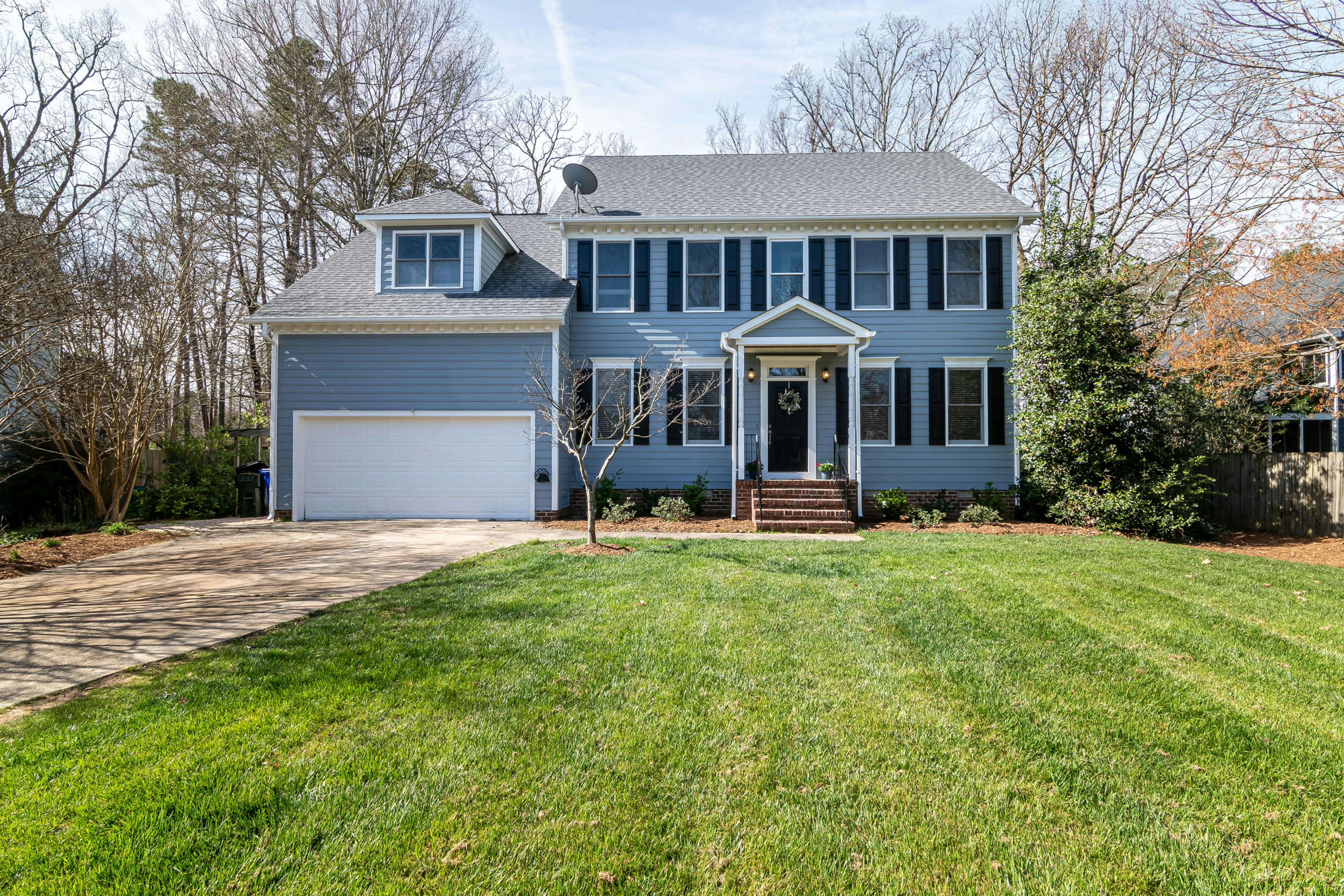
On a typical Greenville County home priced around $360,000, the all-in monthly cost to own in 2026 lands somewhere near $2,100 to $2,500, and the mortgage payment is only part of it. The number most buyers carry in their head is principal and interest, but the true monthly nut also includes property tax, homeowners insurance, mortgage insurance if you put less than 20 percent down, and an HOA fee in the newer subdivisions. Miss those and your budget is off by four to six hundred dollars a month. Here is the honest math on what it actually costs to own a home in Greenville, SC each month.
What is the median home price in Greenville right now?
The sources disagree, and the gap matters, so I will show both. As of 2026, Redfin puts the median sale price for Greenville County around $368,000, while Zillow reports an average home value for the city of Greenville closer to $331,000. The city of Greenville proper runs higher than the county because downtown and the West End pull the number up, so a countywide figure is the fairer starting point for a first home. For a clean worked example I will use a $360,000 home, which sits inside that range.
The mortgage payment (principal and interest)
Start with the loan. The 30-year fixed rate averaged 6.55 percent as of mid-July 2026, per Freddie Mac's weekly survey. On a $360,000 home with 10 percent down, you are financing $324,000. At 6.55 percent over 30 years, principal and interest come to roughly $2,058 a month. Put 20 percent down instead, financing $288,000, and principal and interest drop to about $1,830. You can run your own price, rate, and down payment through the mortgage payment calculator to see where your number lands, because a half point of rate moves the payment by close to $100 a month on a loan this size.
Property tax at the 4 percent owner-occupied rate
This is where Greenville surprises people in a good way. South Carolina taxes a home you own and live in at a 4 percent assessment ratio, while second homes and rentals are taxed at 6 percent. On top of that, Act 388 exempts owner-occupied primary residences from the school operating portion of the tax, which is normally the largest single piece of the bill. The result is that a primary home pays far less tax than the headline millage suggests.
Here is roughly how it works. Take the $360,000 market value, multiply by the 4 percent ratio, and you get an assessed value of $14,400. That assessed value is then multiplied by your local millage, minus the school operating millage you are exempt from as an owner-occupant. Across Greenville County's many tax districts, a primary residence at this price typically owes somewhere in the range of $1,600 to $2,300 a year, or about $135 to $190 a month. The exact figure depends on your district, so run your own address through the county's Real Property Tax Estimator. One thing worth doing on day one is to file for the 4 percent legal residence rate with the Greenville County Assessor. It is not automatic, and a home left at the 6 percent rate can cost you well over a thousand extra dollars a year.
Homeowners insurance in the Upstate
The South Carolina Department of Insurance and several market surveys put the statewide average homeowners premium around $2,800 a year as of 2026, but that average is dragged up hard by the coast, where Myrtle Beach and Charleston carry hurricane and wind exposure. Greenville sits about 200 miles inland with no coastal wind risk, so Upstate premiums generally run below the state average. For a $360,000 home in the Greenville area, a reasonable planning figure is $1,600 to $2,200 a year, or roughly $135 to $185 a month, before any discounts for a newer roof, a monitored alarm, or bundling with auto. Your lender will collect it in escrow along with the taxes, so it shows up inside your monthly payment rather than as a separate bill.
PMI and HOA, the two costs buyers forget
If you put down less than 20 percent, expect private mortgage insurance. On a conventional loan with 10 percent down, PMI commonly runs about 0.4 to 0.8 percent of the loan amount per year, which on a $324,000 loan is roughly $110 to $215 a month. It is not permanent. Once you reach 20 percent equity, you can request its removal, and it drops off automatically at 22 percent. That single line is the strongest financial argument for stretching toward a larger down payment if you can.
HOA fees are the other wildcard, and they split the market. Older established neighborhoods like parts of North Main or Augusta Road often have no mandatory HOA at all. Newer master-planned subdivisions in Simpsonville, Greer, Five Forks, and the Woodruff Road corridor frequently do, and dues commonly land between $200 and $500 a year for a standard neighborhood, with townhome and amenity-heavy communities running higher, sometimes $100 or more a month. Always ask for the exact figure and what it covers before you write an offer, because it is a real and recurring part of the monthly cost.
Putting it all together
For the $360,000 example with 10 percent down, the all-in monthly picture in 2026 looks approximately like this. Principal and interest run about $2,058. Property tax at the owner-occupied rate adds roughly $150. Insurance adds about $150. PMI adds around $135. That totals close to $2,490 a month, plus any HOA. Move to 20 percent down and you drop the PMI and shave the loan, and the all-in figure falls to about $2,130 a month plus HOA. The honest takeaway is that the sticker mortgage payment understates the real cost by 20 to 25 percent once taxes, insurance, and mortgage insurance are stacked on. The one question only you can answer is how large a down payment you can make without draining your reserves, because that single choice swings the monthly number more than anything else on this page. If you want to pressure-test your own price, our guide on how much house you can afford in Greenville walks the income side of the same math, and the Greenville neighborhood guide shows where these price points actually buy.
If you are moving to or within Greenville and want a straight answer on what a specific home would cost you all-in every month, I am happy to help. I am a licensed South Carolina agent who does not practice day to day, so I connect people with vetted local agents I trust, at no cost to you. You can tell me what you are looking for over at find a pro, and I will make the introduction. You can also browse more Greenville real estate guides any time.
Sources: Freddie Mac PMMS, Redfin Greenville County market data, Zillow Greenville home values, Greenville County Real Property Tax Estimator, SC Act 388, and the SC Department of Insurance. Information only, not financial, legal, or investment advice. Figures are current as of 2026 and change over time.
Buying or selling in Greenville?
I am a licensed South Carolina agent, and I match buyers and sellers with an agent I would trust with my own family, here or in whatever city you are moving to. It costs you nothing.
Find an agent worth your timeGet the next one in your inbox.
I write honest guides to buying, selling, and living in Greenville, South Carolina, grounded in real local data. Subscribe and I will send the next one straight to your inbox.
Prefer Substack? Subscribe there instead.