Average Rent in Greenville, SC (2026): What It Costs by Bedroom, by Area, and What It Means for Buyers and Investors
The median gross rent in Greenville, SC was about $1,404 in 2024 (Census ACS), while asking rents run near $1,800 (Zillow). Here is why, by bedroom and area.
The median gross rent in Greenville, SC was about $1,404 a month as of 2024, per the Census American Community Survey, while asking rents on homes and apartments listed today run closer to $1,800, per Zillow. That gap is not a contradiction. It is the whole story of what "average rent" means here, and the number you should trust depends on whether you are signing a lease or buying the building.
What is the average rent in Greenville, SC?
Greenville's average rent lands somewhere between $1,400 and $1,800 a month depending on the measure, because three respected sources count three different things. The Census ACS median gross rent for the city of Greenville was about $1,404 in 2024. Gross rent means the contract rent plus the utilities the tenant pays, so that figure already folds in electricity, water, and heating fuel. It also covers every renter under an existing lease, including people who signed two or three years ago, so it runs lower than a fresh listing and it lags the current market by design.
The Zillow typical asking rent for all bedrooms and property types was around $1,800 in 2026, and it had actually slipped by roughly $32 over the prior year as a wave of new apartments came online. Zillow measures what a unit lists for today, weighted to the whole rental stock, so it runs higher and moves faster than the ACS number. Neither one is wrong. A renter shopping this month will feel the Zillow figure, while the ACS figure describes the typical household already living here. When you see "average rent in Greenville" quoted as a single number, ask which of these it is before you budget around it.
Rent by bedroom in Greenville
A one-bedroom in Greenville runs roughly $1,140 and a two-bedroom about $1,180 under HUD fair market rents for the Greenville-Mauldin-Easley area (fiscal 2025), with a three-bedroom near $1,306 and a four-bedroom around $1,599. HUD sets these at roughly the 40th percentile of standard-quality units and uses them to size housing vouchers, so they read as a conservative floor rather than what a brand-new downtown unit asks. The narrow gap between the one-bedroom and two-bedroom figure is a quirk of that year's survey, and it is exactly the kind of seam a single headline number hides.
Current-listing sites sit higher and disagree with each other, which is normal for asking-rent data pulled from whatever happens to be on the market. As of 2026, RentCafe put the average Greenville apartment near $1,580, while Zumper reported closer to $1,620, about 17 percent under the national average. The practical read across these sources is that a modest one-bedroom in an older complex can still be found in the $1,100 to $1,300 range, while a newer two-bedroom near downtown often asks $1,700 or more. Match the source to the unit you are actually looking at, because a voucher table and a luxury lease-up are describing two different Greenvilles.
How rent varies by area around Greenville
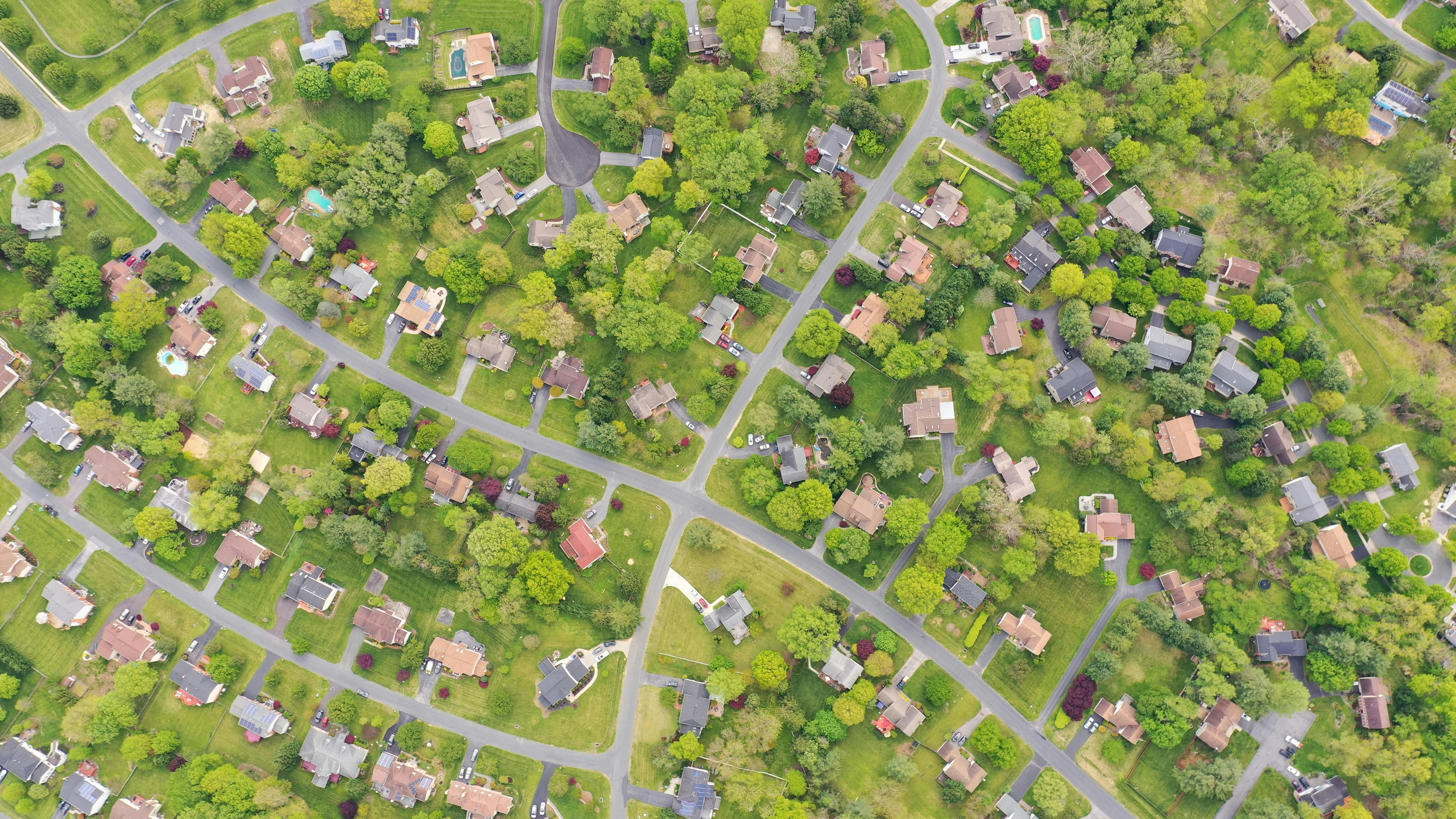
Rent in Greenville rises as you move toward downtown and falls as you move out, and the split tracks the age of the housing stock more than anything else. The newest and priciest apartments sit in the West End and downtown core around ZIP 29601, near Falls Park on the Reedy and the shops on Main Street. Recent mid-rise construction there pushes two-bedroom asking rents well past $1,700, and walkability to restaurants and the river is the amenity you are paying for.
The suburban ring carries the middle of the market. Mauldin, Simpsonville, and Greer (ZIPs 29607, 29681, and 29650) hold a lot of newer garden-style and townhome rentals built for the I-85 job corridor and the BMW and Michelin employment base. Asking rents there typically run from the mid $1,300s to the mid $1,700s depending on age and square footage. Farther out, older housing stock in areas like Taylors, Berea, and along Wade Hampton Boulevard tends to list below the county average, with dated one-bedrooms sometimes still in the $1,000s. Travelers Rest, at the north end of the Swamp Rabbit Trail, commands a premium for trail access that is closer to downtown pricing than its distance would suggest. These are housing-stock and commute facts, not judgments about the places or the people in them.
Thinking of making a move?
Let me know if you’re thinking about selling, or if you’re looking to buy!
Get in touchRent versus buy in Greenville
At today's numbers, renting a typical Greenville home costs about $1,800 a month, while owning a comparable one costs more once you add taxes and insurance. The honest rent-versus-buy question is not which is cheaper on day one. The strongest case for renting is flexibility and the lower monthly outlay, especially if you might leave the Upstate within a few years. Greenville's closing and selling costs can eat several years of any price appreciation. The strongest case for buying is that South Carolina's owner-occupied property tax rate is low and a fixed mortgage payment stops rising while rent has climbed for most of the past decade.
The one question you have to answer for yourself is how long you will stay, because that single input decides the math more than the interest rate does. You can pressure-test both sides with the mortgage calculator. Then read the full owner-side number in the monthly cost to own a Greenville home guide, which breaks out taxes, insurance, and PMI against a rent payment. This is analysis and not advice, and the right answer genuinely differs from one household to the next.
What Greenville rents mean for a small investor
A two-bedroom that rents for $1,300 to $1,500 against a purchase price in the low $300,000s is the math that defines most small Greenville rentals. It is tight enough that the details decide whether it works. Population growth in Greenville County and the job base along I-85 keep rental demand steady. Yet the same new-apartment supply that nudged asking rents down in 2026 also caps how fast a small landlord can raise a lease. Property taxes matter more than out-of-state investors expect. A non-owner-occupied home is assessed at South Carolina's 6 percent ratio rather than the 4 percent an owner-occupant gets, which meaningfully raises the annual bill.
Before you trust any listing's rent estimate, drop the real purchase price, your actual rent, taxes, and insurance into the deal analyzer. It returns the cash flow, cap rate, and cash-on-cash return rather than a back-of-the-envelope guess. The properties that pencil out in Greenville tend to be older two- and three-bedroom homes in the suburban ring, where the price is low enough to clear the tax and maintenance load. The shiny downtown units rarely do, because the rent is high but the price is higher still.
If you are buying or selling in Greenville
Knowing the average rent is really the first step in a bigger decision, whether you are weighing a lease against a mortgage or sizing up a rental before you buy it. If you are looking to buy, or you are thinking about selling, tell me what you are working on and I will help. It takes a minute, and I read every one of these myself.
Sources: Census ACS median gross rent, table B25064 (2024); HUD Fair Market Rents, Greenville-Mauldin-Easley (fiscal 2025); Zillow Rental Manager market trends, Greenville, SC (2026); RentCafe average rent, Greenville, SC (2026); Zumper average rent, Greenville, SC (2026); South Carolina Department of Revenue, property tax assessment ratios. Information only, not financial, legal, or investment advice. Figures are current as of 2026 and change over time.
Thinking of making a move?
Let me know if you’re thinking about selling, or if you’re looking to buy!
Get in touchGet the next one in your inbox.
I write honest guides to buying, selling, and living in Greenville, South Carolina, grounded in real local data. Subscribe and I will send the next one straight to your inbox.
Prefer Substack? Subscribe there instead.